


Texas woman buys Great Value Sugar from Walmart. She wasn’t prepared for it to come with a side of microplastics: ‘Buyer beware’
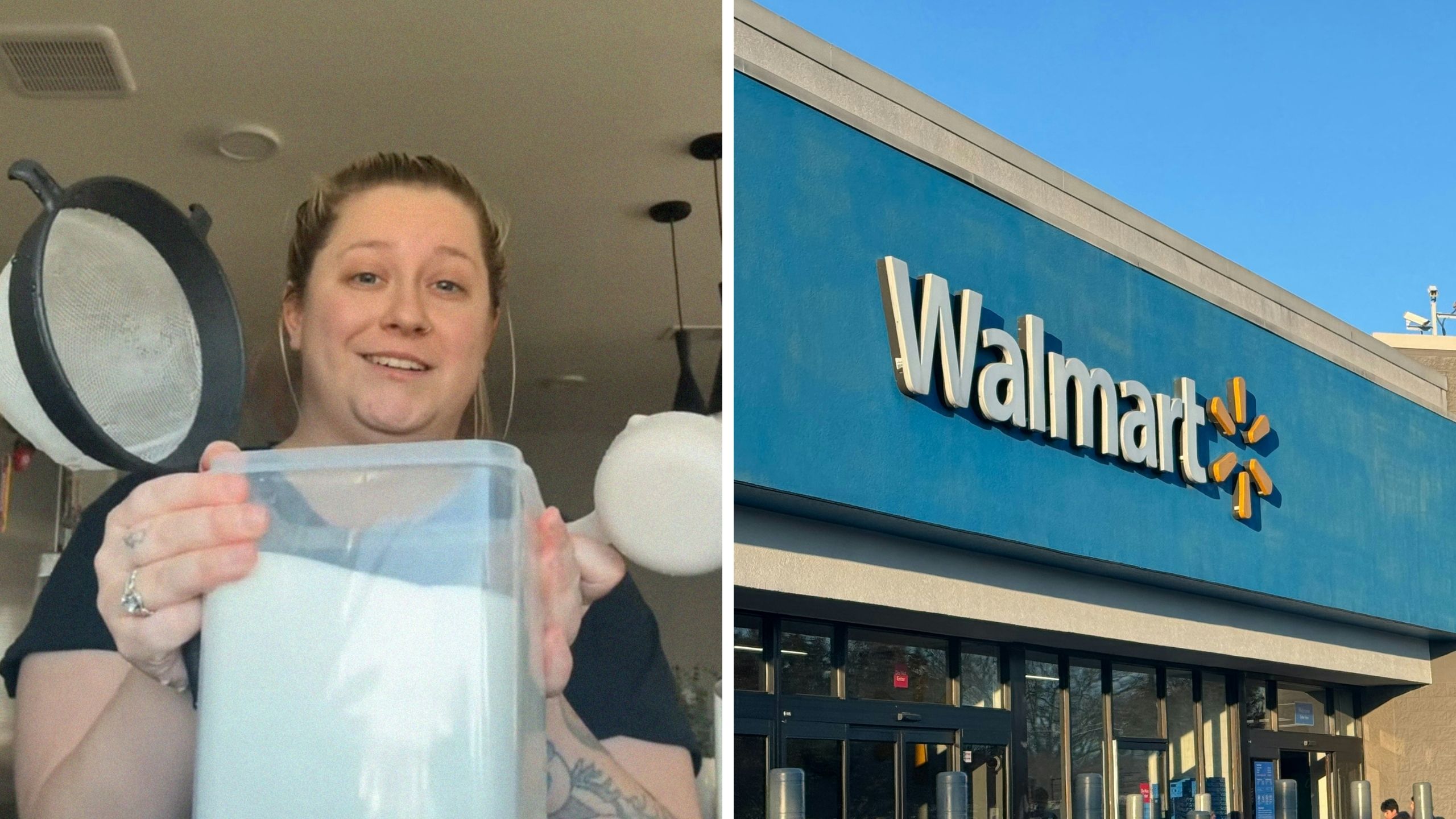
A TikTok content creator found some strange-looking granules in her bag of Great Value brand pure, granulated sugar. When she looked closer, she realized that the granules may not be slightly larger sugar clumps. Instead, it looked like small microplastics.
TikTok user Sid (@sidsobased777) noticed that when she poured hot water over the Walmart-branded sugar, it did not dissolve completely. Instead, it left small bits of residue that looked like silica. They were clear, hard, and shaped oddly.
“ This is the stuff that did not melt under hot water,” she said while showing her audience some sugar in a strainer. “It does not break. It does not dissolve, and there’s a lot of it. That was half a cup of sugar. It’s not sticky. It’s like silica, bead or plastic or who knows what, but that is not sugar.”
So, are there microplastics in the Great Value brand sugar? Or, is it just larger, harder to melt sugar molecules that have gotten stuck together?
Are there actually microplastics in Great Value brand sugar?
Great Value pure granulated sugar, according to Walmart’s website, only puts sugar in its ingredients list. Generally, companies have to list all ingredients on their food label if they intentionally use them, which is sorted on food labels by weight. Based on the Food and Drug Administration’s website, silicon dioxide should be labelled as such: silicon dioxide.
The FDA has allowed companies to put trace amounts of silicon dioxide in food products for anti-caking, as long as its usage is under a certain, approved amount. It’s possible that Great Value intentionally or unintentionally places silicon dioxide in thousands of products. But, it would be more likely that Sid received a defective product if there truly are microplastics in her sugar.
Commenters shared other things they have found in their Great Value sugar, adding to the idea that products could come with extra contaminants or “add-ins” not listed on the ingredients list.
“I found a 2 inch sewing needle in my bag of great value sugar back in 2010,” said one viewer. “Never buy it again. They never did anything about it either.”
It also may be true that the ‘beads’ that Sid found in her Great Value package were just that: sugar. Sometimes, sugar recrystallizes and hardens in peculiar ways. But recent studies have concluded that many brands of sugar contain thousands of harmful microplastics introduced in the manufacturing process. Regardless, it’s not a ridiculous idea to think that the beads that Sid saw might be plastic.
‘Boycotting is a privilege’
For many viewers, the possibility of Great Value pure granulated sugar having microplastics inside it was a huge concern. But other commenters simply said that Sid, and others like her, should switch to a different sugar brand.
One commenter said, “Bean soup theory in these comments. I swear half of y’all are missing the point. WE SHOULDN’T HAVE TO WORRY ABOUT WHAT IS IN OUR FOOD REGARDLESS OF WHERE ITS FROM!!!!!! This is not a consumer issue. Boycotting is a privilege.”
Bean soup theory refers to a TikTok posted by @vibingranolamom in 2023. In it, she made a recipe for bean soup, which had many commenters showcase a complete lack of critical thinking or self-awareness. They asked, “What if I don’t like Bean soup?”
The answer to that question is simply to not make bean soup and find a different recipe or TikTok to follow. But, viewers assumed that @vibingranolamom would answer and offer substitutes, an adjustable recipe, or something else that ‘they’ liked.
Some commenters on Sid’s video, too, were displaying a total lack of critical awareness. It’s not about what brands people should get when they go grocery shopping. Regardless of what sugar a person buys, they have a right to not have microplastics in it.
The TikTok, then, raises questions about general food safety standards. People shouldn’t have to buy completely different products just because one company doesn’t have food-safe brands. For many Americans, stores like Walmart are their only option, especially those who live in rural areas. Similarly, not everyone’s individual experience with their favorite sugar brand is relevant in a conversation about general food safety.
What’s the best way to navigate concerns about food safety?
Commenters had a variety of recommendations for navigating issues with possible microplastics in foods. One of the most prominent in Sid’s comment section was to seek legislative action and urge representatives to fight against food contaminants and ensure that products are pure, unadulterated, and made without harmful trace materials.
Over the course of decades, the United States has cut down on food safety protections that have ensured quality products hit shelves. The monopolization of large-scale grocery stores has left many Americans without affordable options in their area. Fundamentally, Americans should have the right to unadulterated products that don’t have risky, possible add-ins.
Or, at the very least, Americans should have a right to clear labels that explain exactly what products are being placed inside every day-manufactured foods. The only way to fight for changes is by understanding these products and advocating for stronger food safety standards.
@sidsobased777 @Walmart count your days WHAT IS IN MY SUGAR?!?!?! So much for my Creme Brulee! Forgot to mention: sugar was bought yesterday (1/18/2026) at a Walmart in Pflugerville, TX. I do not have the packaging because I put all of my baking things in airtight containers. Packaging was thrown out last night. #fyp #wtf #food #foodie #trending ♬ original sound – sid??
The Mary Sue reached out to Walmart’s press email and Sid via TikTok direct message for comment.
Have a tip we should know? [email protected]
Follow The Mary Sue:
